






In the world of high-power optical amplification, EDFA laser safety is not just a guideline—it is a critical operational mandate. As fiber-to-the-home (FTTH) and HFC networks push for higher power budgets (exceeding 23dBm per port), the invisible infrared radiation generated by pump lasers poses a significant risk to both personnel and equipment.
Understanding Laser Classifications in EDFA
The EDFA laser safety level is dictated by the International Electrotechnical Commission (IEC) 60825-1 standard. Depending on the output power, Premlink amplifiers typically fall into two hazardous categories:
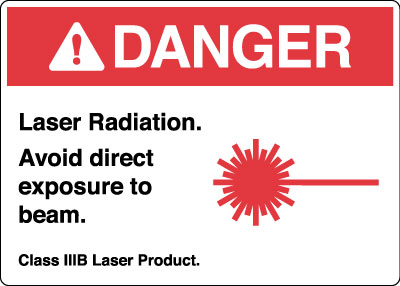
- Class 3B (Medium Power): Found in standard Erbium Doped Fiber Amplifiers (typically 5mW to 500mW). Direct beam exposure to the eye can cause immediate and permanent damage. Specular reflections (from shiny surfaces) are equally dangerous.
- Class 4 (High Power): Our PL2000A/B/C/D High Power PON EDFA series often falls into Class 4. These lasers can burn the skin and cause devastating eye injuries from direct, diffuse, or even indirect reflections (even from matte surfaces). They also pose a significant fire risk by igniting combustible materials.

| EDFA Type | Laser Class | Eye Hazard | Skin/Fire Hazard |
|---|---|---|---|
| Standard CATV EDFA | Class 3B | High (Direct/Specular) | Low |
| Multi-Port PON EYDFA | Class 4 | Extreme (All reflections) | High Risk |
Why Invisible Radiation is a “Silent Threat”
The primary danger in EDFA laser safety is that the radiation is in the infrared (1550nm/980nm) range, making it completely invisible to the human eye. Your natural “blink reflex” will not be triggered because you cannot see the light. By the time you feel heat or notice a visual blind spot, the retinal damage has already occurred in less than 1/100th of a second.
The Technician’s Safety Checklist (Best Practices)
To ensure 100% compliance with international safety standards when operating Premlink optical amplifiers, every technician must adhere to the following protocol:
- Certified Eyewear: Always use laser safety glasses specifically rated for the 980nm and 1550nm wavelengths. Standard sunglasses offer zero protection.
- Zero-Active Termination: Never attempt to install, clean, or terminate fiber connectors while the amplifier is active. Always disable the pump via the APC/ACC menu first.
- The 30cm Rule: Never look directly at a fiber end-face. Maintain a minimum distance of 30cm from any energized light-guiding device.
- No Optical Magnification: Do not view an activated fiber through microscopes or magnifiers, as these instruments concentrate the laser energy into the eye.
- Chassis Integrity: Under no circumstances should the cover of the PL2000H or PL2000x be opened. This exposes the operator to high-intensity internal pump radiation.
FAQ: Managing High Power EDFA Hazards
Q1: Does a matte surface eliminate the risk of Class 4 reflections?
A: No. Class 4 lasers are powerful enough that diffuse reflections (scattered light from a non-shiny surface) can still cause permanent retinal burns. Great care must be taken to control the beam path.
Q2: What happens if multiple signals are merged (XGSPON + CATV)?
A: Merging multiple high-power signals increases the overall optical power density. This amplifies the hazard level, often pushing a safe system into a higher Class rating.
Q3: Who is authorized to service Premlink EDFA units?
A: Only personnel specifically trained in EDFA laser safety and local occupational health standards (like OSHA or CE) should operate or maintain these devices.
Ensuring the EDFA laser safety of your field engineering team is our top priority. For detailed safety certifications of our hardware, visit our PL2000x CATV EDFA Products or consult our technical guide on EDFA APC Mode Configuration to learn how to safely manage output levels.